





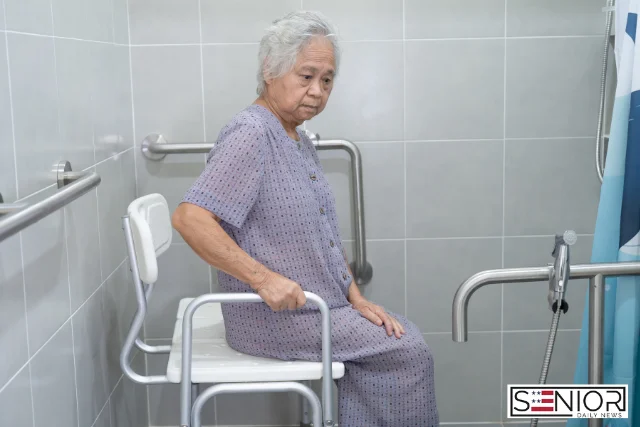
For many older adults, the bathroom can be one of the most hazardous places in the home. Slippery floors, hard surfaces, and limited mobility make accidents more likely. According to the Centers for Disease Control and Prevention (CDC), falls are a leading cause of injury among seniors, and a large percentage of these incidents happen in the bathroom. That’s why bathroom safety is so important for older adults who want to maintain independence and continue living comfortably at home. The good news is that with a few thoughtful changes, you can significantly reduce risks and create a safe, supportive environment without sacrificing independence or dignity.
Why Bathroom Safety Matters for Seniors
As we age, simple daily tasks can become more challenging. Balance, vision, and muscle strength may decline, increasing the risk of slips and falls. In the bathroom, water, steam, and smooth surfaces make conditions even riskier. For seniors living alone, even a minor accident can lead to serious consequences. Beyond physical safety, maintaining independence is also about emotional well-being. Older adults who feel secure in their bathroom are more confident, less anxious, and more likely to take care of themselves without constant assistance. That sense of independence directly contributes to a better quality of life.
Common Bathroom Hazards for Seniors
Before improving bathroom safety, it helps to recognize the most common risks. Slippery floors from water or condensation can cause falls. Low toilets may be hard to use, forcing seniors to strain when sitting down or standing up. Bathtubs and showers with high entry steps are difficult to navigate, especially for those with mobility issues. Lack of proper lighting can make it hard to see hazards, and cluttered spaces increase tripping risks. Recognizing these hazards is the first step toward creating a safer bathroom environment.
Practical Ways to Improve Bathroom Safety
There are many practical adjustments—both small and major—that can help seniors stay safe in the bathroom.
1. Install Grab Bars and Handrails
Grab bars are one of the simplest and most effective ways to improve bathroom safety. Install them near the toilet, in the shower, and next to the bathtub. These sturdy supports provide balance, stability, and confidence when moving around slippery areas.
2. Use Non-Slip Mats and Flooring
Non-slip mats inside and outside the shower or tub help reduce slipping. Consider non-slip flooring options if you’re renovating. Seniors should avoid small throw rugs, as they can easily slide or bunch up, creating tripping hazards.
3. Upgrade the Toilet
Raised toilet seats or comfort-height toilets reduce the strain of sitting and standing. Adding a grab bar next to the toilet makes it even safer. These upgrades are especially helpful for seniors with arthritis or joint pain.
4. Consider Walk-In Showers or Tubs
Traditional tubs with high walls are difficult for seniors to step over. Walk-in showers or tubs with low thresholds eliminate this problem. Adding a shower chair or bench can also provide a safer, more comfortable bathing experience.
5. Improve Lighting
Good lighting is essential for bathroom safety. Install bright, glare-free lights that make it easy to see at night. Motion-sensor lights are especially helpful for seniors who may wake up in the middle of the night to use the bathroom.
6. Keep Essentials Within Easy Reach
Reaching for shampoo bottles or leaning over to grab soap increases fall risks. Keep all essentials at waist level and within easy reach. Shower caddies and wall-mounted shelves are practical solutions.
7. Use Lever-Style Faucets
Twist knobs can be difficult for seniors with arthritis. Lever-style faucets are easier to operate and help prevent accidents caused by struggling with stiff handles.
8. Install a Handheld Showerhead
A handheld showerhead makes bathing easier and safer, especially when combined with a shower chair. It allows seniors to control water flow without having to move around too much.
9. Keep the Bathroom Clutter-Free
A clean, clutter-free bathroom minimizes tripping hazards. Remove unnecessary items and make sure the space is organized and easy to navigate.
10. Emergency Alert Systems
For seniors living alone, having an emergency alert button or waterproof medical alert device in the bathroom can be lifesaving. If an accident happens, help is just a button away.
Balancing Safety with Independence
Some seniors worry that too many modifications will make them feel less independent. The key is to strike a balance between safety and autonomy. For example, grab bars are subtle and functional—they provide support without being intrusive. Walk-in showers, modern raised toilets, and non-slip designs can look stylish while still enhancing safety. In fact, many of these upgrades are now designed with aesthetics in mind, blending seamlessly into modern bathrooms. The goal is not to limit independence but to empower seniors to care for themselves with confidence.
Cost-Effective Bathroom Safety Solutions
Not every safety improvement requires a major renovation. Non-slip mats, grab bars, and improved lighting are relatively affordable and easy to install. For larger projects like walk-in showers or comfort-height toilets, some seniors may qualify for financial assistance through Medicare Advantage, Medicaid waivers, or local home modification grants. Even small changes can make a big difference in daily comfort and safety.
Supporting Seniors Beyond the Bathroom
Bathroom safety is part of a larger conversation about senior independence. Families, caregivers, and healthcare providers can work together to create safe environments that encourage self-reliance. Simple tools like a bathroom safety checklist can help families monitor risks and make timely improvements. Supporting seniors doesn’t always mean doing everything for them—it often means creating spaces where they can do more for themselves safely.
FAQs About Senior Bathroom Safety
Q1: What are the most important bathroom safety features for seniors?
The most essential features include grab bars, non-slip mats, good lighting, and raised toilet seats. Walk-in showers and shower chairs are also highly recommended.
Q2: Are walk-in tubs worth the investment?
Walk-in tubs can be expensive, but they provide excellent safety and comfort for seniors with mobility challenges. They reduce fall risks and make bathing more accessible.
Q3: How can I help a senior who refuses bathroom safety modifications?
Approach the conversation gently, emphasizing independence rather than limitations. Sometimes demonstrating how grab bars or non-slip mats work can make seniors more comfortable with the idea.
Q4: Can Medicare cover bathroom safety equipment?
Medicare generally doesn’t cover home modifications like grab bars or walk-in tubs, but Medicare Advantage plans or state programs may offer assistance. It’s best to check with your plan.
Q5: What is the easiest bathroom safety upgrade for seniors?
Adding non-slip mats and better lighting are quick, affordable fixes that make an immediate difference.
Q6: Do bathroom safety modifications look clinical?
Not anymore. Many products are designed with modern styles in mind, blending functionality with aesthetics. Seniors can have safe and attractive bathrooms.
Q7: How can caregivers monitor bathroom safety over time?
Using a bathroom safety checklist helps caregivers regularly assess risks. Watching for changes in mobility, balance, or confidence can also guide when to add new safety features.
Image Source: Canva
