




Recovering from Injury: A Senior’s Guide to Rehabilitation


Recovering from Injury as a senior can feel daunting, but it doesn’t have to be. Whether you’ve experienced a fall, surgery, or strain, recovery is possible with the right approach. Seniors face unique challenges during rehabilitation due to age-related changes in the body, but these challenges are not insurmountable. With patience, guidance, and persistence, you can regain strength, mobility, and confidence.
In this comprehensive guide, we’ll walk you through practical steps, tips, and resources designed specifically for seniors recovering from injury. Our goal is to empower you with the knowledge and tools you need to navigate rehabilitation successfully.
Understanding the Recovery Process in Seniors
As we age, the body’s healing process naturally slows down. Tissues take longer to repair, bones may heal more slowly, and muscle strength diminishes faster during periods of inactivity. Seniors also commonly face conditions like arthritis, osteoporosis, or diabetes, which can complicate recovery.
Recognizing these factors is important because it sets realistic expectations for healing. Recovery may take longer, but with a tailored rehabilitation plan, steady improvement is achievable.
Step 1: Consult Healthcare Professionals Early
After an injury, it’s vital to consult with healthcare professionals promptly. Your primary care physician, a geriatric specialist, or an orthopedic doctor can diagnose the extent of your injury and recommend an appropriate treatment plan.
Ask your healthcare provider the following questions:
- What is the expected recovery timeline?
- What activities should I avoid?
- Should I consult a physical therapist?
- Are there medications or supplements that can aid my recovery?
- Are there any specific risks related to my age or existing conditions?
Having these answers can clarify the road ahead and help you plan your rehabilitation journey wisely.
Step 2: Embrace Physical Therapy
One of the most effective strategies for recovery is physical therapy. A licensed physical therapist can develop a personalized program that targets your specific injury while taking your age-related limitations into account.
Physical therapy can help:
- Restore flexibility and mobility
- Strengthen weakened muscles
- Improve balance to prevent future falls
- Reduce pain without heavy reliance on medications
For seniors, exercises are typically low-impact but highly effective. Simple stretches, resistance band exercises, and controlled movements can significantly enhance recovery while minimizing the risk of re-injury.
Step 3: Consider Occupational Therapy
Occupational therapy focuses on helping seniors perform daily activities like dressing, cooking, and bathing after an injury. If your injury impacts your ability to manage everyday tasks, an occupational therapist can introduce adaptive techniques or tools to maintain independence.
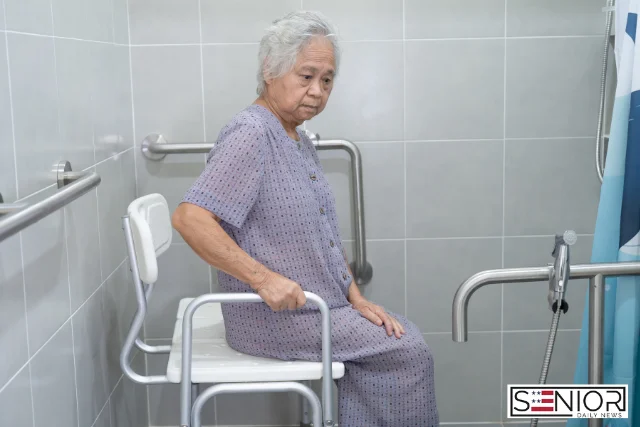
For instance, using grab bars in the bathroom, modified kitchen tools, or special footwear can make a big difference during recovery.
Step 4: Stay Active Safely
Remaining sedentary can slow down recovery and even lead to other health problems like blood clots or muscle atrophy. Of course, activity must be approached cautiously and according to professional guidance.
Low-impact exercises that benefit seniors recovering from injury include:
- Walking: Even short, slow walks can promote circulation and prevent stiffness.
- Chair Yoga: Gentle stretches while seated can improve flexibility and joint health.
- Tai Chi: This ancient practice enhances balance, coordination, and mental calm.
- Water Aerobics: Exercising in water reduces joint stress while allowing a full range of motion.
Remember, always consult your doctor before beginning any new activity post-injury.
Step 5: Nutrition for Healing
Nutrition plays a crucial role in the healing process, especially for seniors. Certain nutrients help repair tissues, strengthen bones, and boost immune function.
Consider these dietary tips:
- Protein: Essential for muscle repair. Include lean meats, fish, eggs, or plant-based proteins like beans.
- Calcium and Vitamin D: Critical for bone health. Dairy products, leafy greens, and fortified foods help, along with safe sun exposure.
- Omega-3 Fatty Acids: Found in fish like salmon and flaxseed, these reduce inflammation.
- Antioxidants: Vitamins C and E can aid tissue repair and reduce oxidative stress.
If eating enough is difficult due to appetite loss or other issues, discuss supplements with your healthcare provider.
Step 6: Mind Your Mental Health
Recovering from an injury isn’t just a physical process—it’s emotional, too. Seniors may feel frustrated, anxious, or even depressed, especially if mobility is restricted.
Strategies to support mental health during recovery include:
- Mindfulness and Meditation: Simple breathing exercises can reduce stress and improve mood.
- Social Interaction: Stay connected with friends, family, or support groups, even if virtually.
- Professional Counseling: A therapist or counselor can provide valuable coping strategies.
A positive mindset can significantly impact your motivation and overall recovery experience.
Step 7: Home Modifications for Safety
Depending on the injury, certain home adjustments can prevent further incidents and support rehabilitation. Simple modifications include:
- Installing grab bars in bathrooms
- Removing trip hazards like loose rugs or clutter
- Adding non-slip mats
- Improving lighting throughout the home
- Using assistive devices like walkers or canes
Consulting an occupational therapist for a home safety evaluation can be a wise investment.
Step 8: Follow-Up Care and Monitoring
Regular follow-up appointments with your healthcare provider ensure that your recovery stays on track. Monitoring your progress helps in identifying any complications early, such as infections, delayed healing, or mobility issues.
Additionally, keeping a recovery journal can help you and your medical team track improvements and setbacks.
Common Injuries in Seniors and Their Rehabilitation Needs
Hip Fractures
Hip fractures are unfortunately common among seniors and often require surgery followed by an extended rehabilitation period. Physical therapy is critical to restoring mobility and preventing future falls.
Knee or Joint Injuries
Rehabilitation after knee injuries or surgeries like joint replacement often includes physical therapy focused on strengthening surrounding muscles and improving joint function.
Wrist and Shoulder Injuries
These injuries can limit daily activities. Occupational therapy often helps seniors regain the dexterity needed for tasks like dressing and cooking.
Back Injuries
For back injuries, gentle exercises under supervision, combined with pain management strategies, can help seniors avoid chronic pain.
Tips for Caregivers Supporting Senior Rehabilitation
If you’re a caregiver for a senior recovering from injury, your role is vital. Here are some tips to support your loved one effectively:
- Encourage and motivate without pushing too hard.
- Help manage medications and appointments.
- Assist with safe exercises and physical therapy routines.
- Provide emotional support and patience.
- Make the living environment as safe and comfortable as possible.
When to Seek Additional Help
Sometimes recovery doesn’t go as planned. Warning signs that may require additional medical attention include:
- Persistent or worsening pain
- Swelling that doesn’t subside
- Signs of infection (redness, warmth, discharge)
- Unexplained weakness
- Increased difficulty with balance or mobility
If any of these occur, consult your healthcare provider immediately.
The Role of Alternative Therapies
Some seniors explore alternative therapies to complement traditional rehabilitation. Always consult your doctor before trying these, but options like acupuncture, massage therapy, and chiropractic care may offer pain relief and aid mobility.
Preventing Future Injuries
Rehabilitation should also include strategies to prevent future injuries. This might involve:
- Regular balance and strength exercises
- Wearing appropriate footwear
- Annual vision checks
- Reviewing medications that may affect balance
Proactively managing these areas can help maintain independence and quality of life.
Conclusion
Recovering from injury as a senior can be a complex journey, but with the right combination of medical care, physical therapy, nutrition, mental health support, and a safe environment, healing is not only possible but often transformative. Staying proactive, patient, and positive can lead to regained strength, improved mobility, and a renewed sense of independence.
Whether you’re the one healing or a loved one assisting, remember that every small step counts. With dedication and support, seniors can overcome injuries and continue to lead fulfilling lives.
FAQs
1. How long does it take for seniors to recover from an injury?
Recovery time varies based on the type and severity of the injury, as well as the individual’s overall health. Minor injuries may heal in weeks, while more severe cases like hip fractures could take several months.
2. Is physical therapy necessary for all injuries?
While not mandatory for every injury, physical therapy is highly beneficial for most seniors. It helps restore movement, reduces pain, and prevents complications.
3. Can I do rehabilitation exercises at home?
Yes, many physical therapists provide home-based exercise plans tailored to your needs. Always consult your therapist or doctor before starting any exercise routine.
4. What role does nutrition play in injury recovery?
Good nutrition accelerates the healing process. Protein, calcium, vitamin D, and anti-inflammatory foods all contribute to tissue repair and bone health.
5. How can I prevent future injuries?
Staying active with balance and strength exercises, making home safety modifications, wearing proper footwear, and scheduling regular checkups can all help prevent future injuries.
Image Source: Canva


